Research
Our lab combines neuroscience, biophysics, systems biology, and bioinformatics to understand how biological systems process information.
Olfactory Perception & Decision-Making 🪰👃
What shapes our perception of smell?
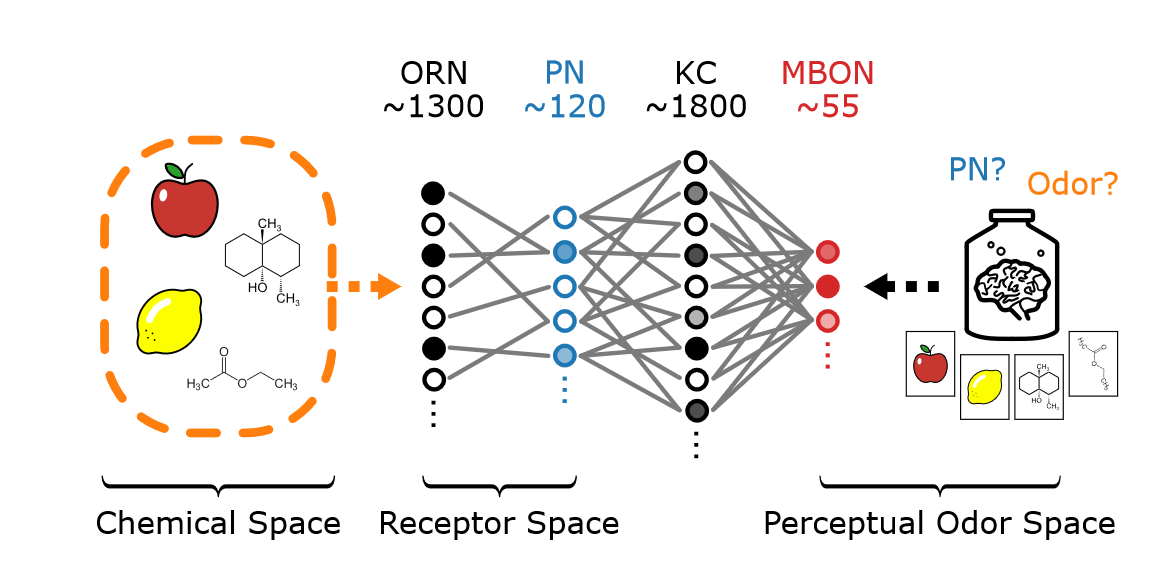
Navigation is an active process shaped by odor value and context. We investigate the algorithms that allow Drosophila to make informed decisions in complex environments. By combining quantitative behavioral experiments with artificial intelligence, we model how the brain integrates various navigational cues to guide movement. We are particularly interested in how the brain revises the value it assigns to an odor as the environment changes and how that value guides behavior.
Dynamics of Chemosensory Receptors
What principles govern chemical sensing?
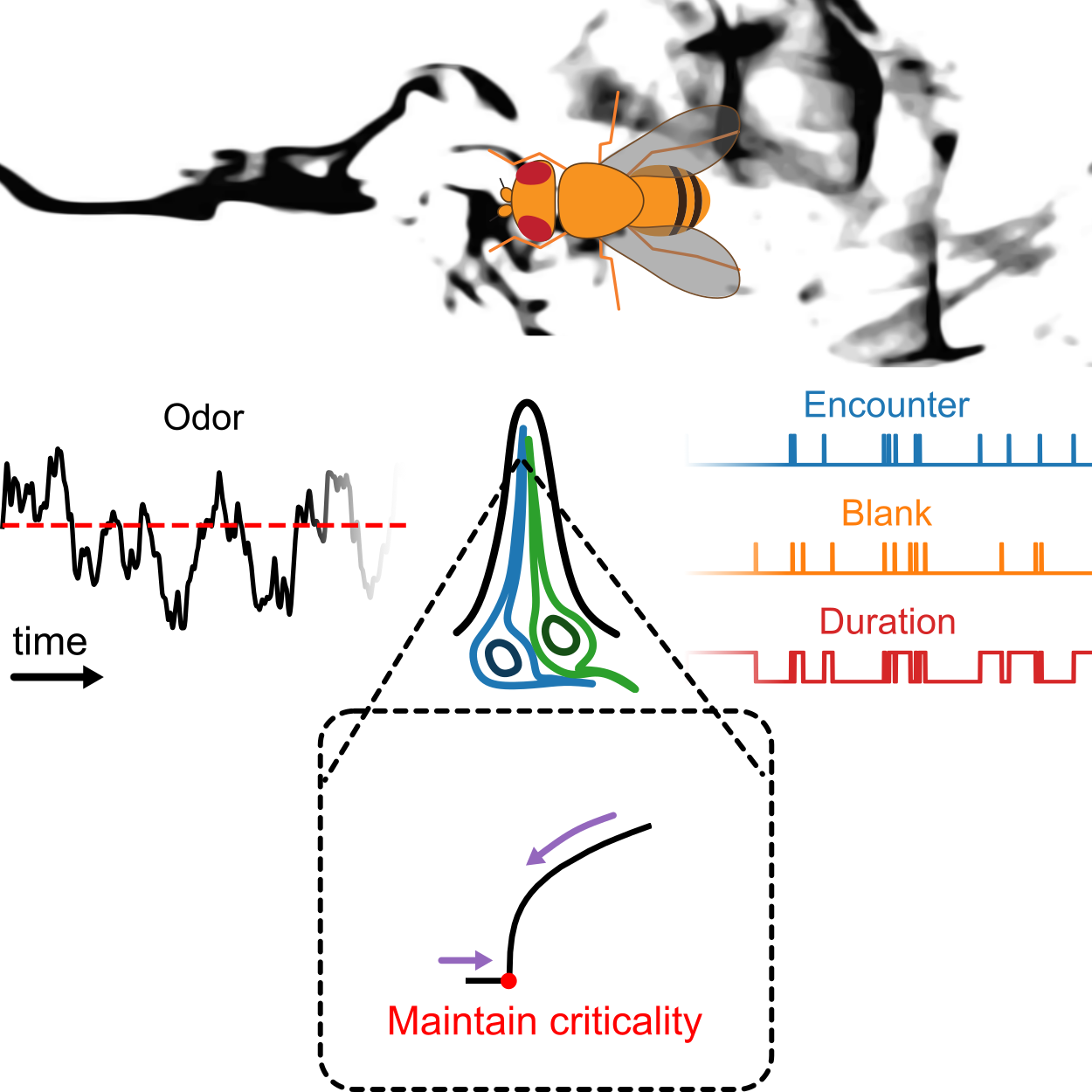
We investigate how sensory information is encoded at the molecular interface. We study the dynamics of ligand-receptor binding to understand how olfactory neurons encode strongly fluctuating odor signals. We analyze how receptor kinetics constrain the encoding of context-dependent information. By modeling these interactions, we aim to elucidate the principles of chemical sensing and its effect on downstream neural processing.
Machine Learning for Biological Discovery
Using AI to learn the rules that govern living systems
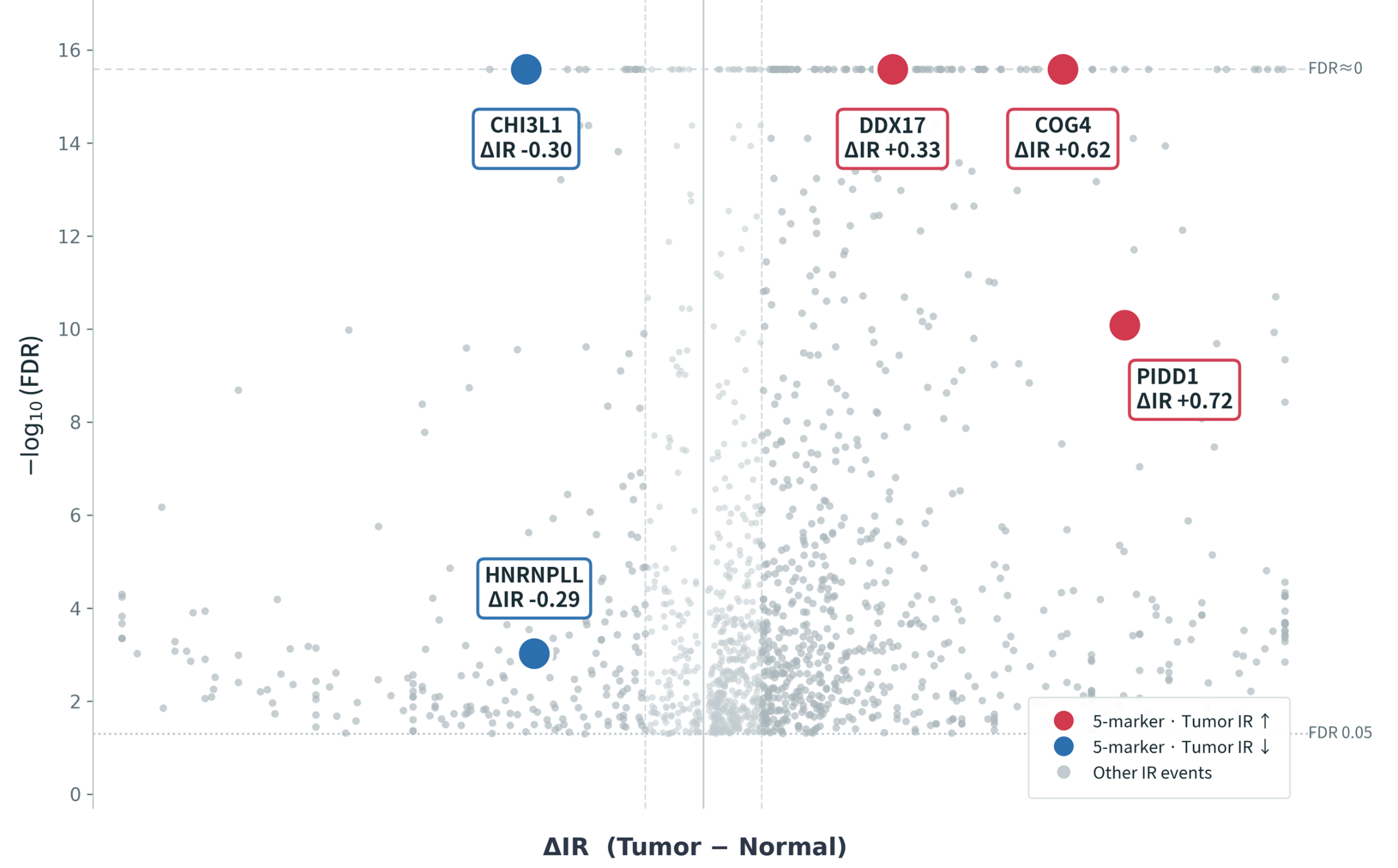
Modern biology generates data at a scale and dimensionality that outpaces traditional analysis. We apply machine learning to extract interpretable structure from complex biological data. We are particularly interested in applying graph neural networks (GNNs) to predict biological properties from molecular structure. Our applications range from computational olfaction to the design of drug-delivery systems. Using explainable AI, we investigate the principles underlying biological phenomena.
Information Processing in Biological Systems
What makes biological networks robust?
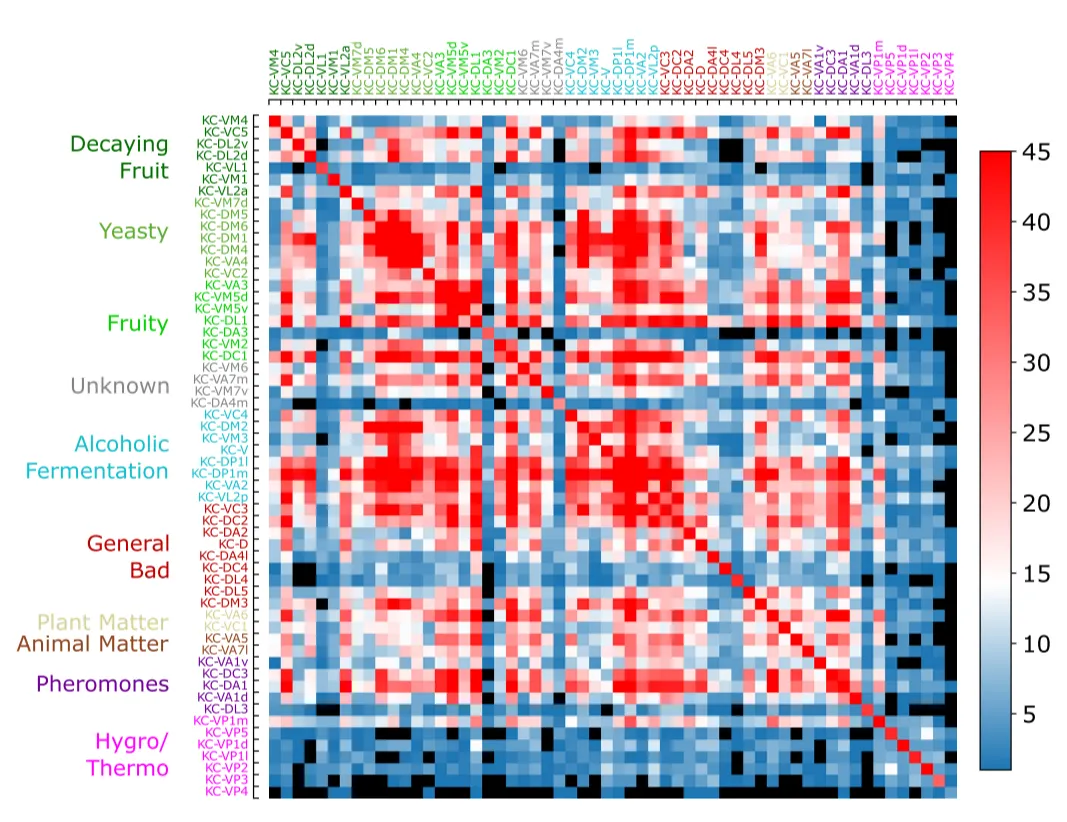
We use the olfactory system as a model to uncover universal principles of biological computation. We aim to understand how network structure shapes function across biological systems at various scales, from neural circuits to biochemical signaling pathways. We investigate the relationship between connectivity and system dynamics to identify topological motifs that support robust information processing.
Computational Methods and Scientific Software
Software as a scientific contribution.
Understanding complex biological systems requires advanced computational tools. We develop methods for analyzing high-dimensional biological data, with a focus on network inference, optimization, and clustering. In particular, we study algorithms that can extract maximum information from sparse experimental data to help guide accurate reconstructions and predictions. We also develop standards-based simulation tools that make biological models easier to reuse and simulation results easier to reproduce.

All rights reserved.